
ULTIMA’S $1 REAL ESTATE SALE WAS SUPPOSED TO BOOST ITS POPULATION. BUT DID IT WORK?
Ultima’s $1 real estate sale was supposed to boost its population. But did it work?
The tiny town of Ultima sold a dozen blocks of unused land for $1 in 2003 in an effort to revitalise the region.
All but one block sold and buyers were informed they must start building within 12 months’ time.
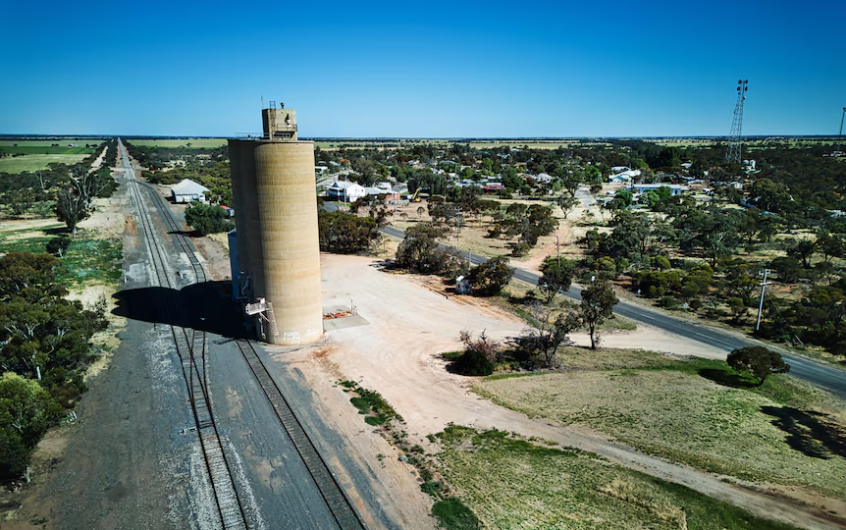
The tiny farming town is four hours north-west of Melbourne, a 20-minute drive from the regional centre of Swan Hill.
So when a newly married Suellen Tomamichel joined her husband in the Mallee town from Melbourne in 1981, Ultima proved to be the ultimate culture shock.
She joined the town’s progress association where, a little over 20 years later, she put together an audacious plan to bolster the town’s population by selling abandoned plots of land for just $1.
In the 1930s, more than 700 people called the town home.
By 2001, that number had shrunk to just 127.
The plan came with stipulations, chiefly that the buyer would need to start building at the site within 12 months and that the asking price was $1.
The intention was to boost the town’s population of approximately 127 people by 25 per cent, and the Swan Hill Rural Council was immediately on board.
Eleven of the 12 roughly quarter-acre blocks of vacant land offered for $1 were snapped up, and a number of homes that had previously been on the market for months also sold amid the buying frenzy.
Small towns across Italy and Europe have a romantic history of selling homes for just 1 euro to reverse terminal population decline.
In 2001, Ultima’s population was officially 127, consisting of 39 families.
By 2006 that population had jumped by 26 per cent to 161 and 50 different families.
She sold her property in 2016 and moved to Bendigo where she now works as a counsellor and mental health advocate.
The 2021 census has just 176 residents in the town, comprising 38 families.
Only $1 a week: houses in rural communities for grabs at rock bottom rents
Farmers are offering families homes to rent for as little as $1 a week to help keep their towns alive — all that is required in return is for the children to enrol in local schools.
By offering spare houses on their properties at reduced rents, the farmers hope to boost student numbers, avoiding the need to send their own children to schools in more populated areas more than 100km away.
Many of the houses, up to five bedrooms, are on substantial blocks near the outback towns of Orange, Wellington and Parkes, more than 350km west of Sydney.
Baldry farmhouse in the Orange area was available for $1 rent.
One advertisement for a $1 farmhouse in Wellington specifies the preferred tenant would have “building” experience.
Another $1 listing in Cumnock, 60km west of Orange, states preferred applicants should be willing to volunteer for squash and tennis competitions and junior athletics and swim programs.
This three-bedroom farmhouse located 30km west of Cumnock is available for $1 a week.
This five-bedroom farmhouse in Cumnock is available for $1 per week.
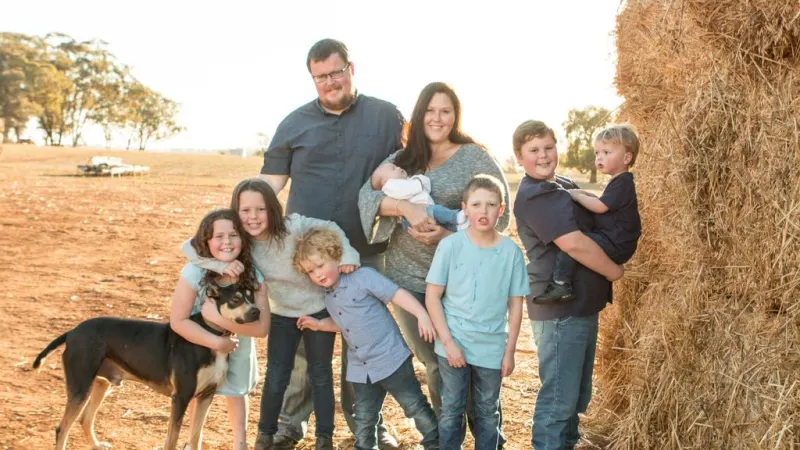
Nigel and Lisa Baldwin recently moved out of their home in McGraths Hill in northwest Sydney to a $1 rental in Cumnock.
1-euro house in Italy
La dolce vita or a renovation nightmare? Here’s what it’s really like when you buy a 1-euro house in a Sicilian village.
“This is one of our 1-euro houses,” said the young deputy mayor, as he fumbled to undo a padlock and chains looped around the door handles.
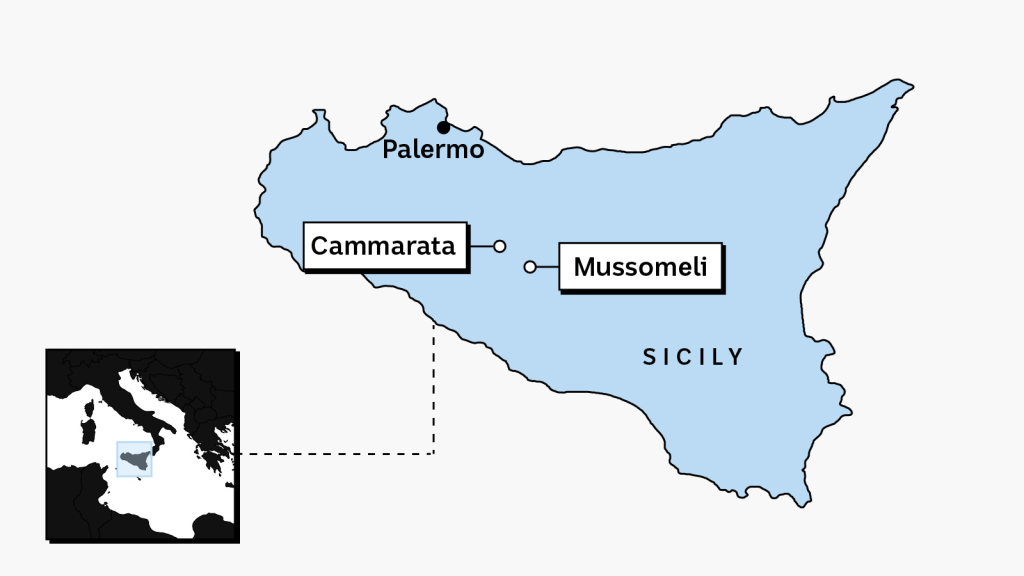
Mussomeli used to be home to 15,000 people, but after a significant fall in the 1950s, its population has stagnated to around 10,000. There are predictions it could fall even further.
There’s an adage about a deal that sounds this good. So, what’s the catch? Well, you have to renovate the place. In Mussomeli, buyers need to prove their commitment to restoring the house within three years by paying a 5,000 euro deposit to the municipality, which they risk losing if they fail to meet the renovation deadline.
Standing in the shadow of a small balcony, Toti pushed the door of the 1-euro house he was showing Foreign Correspondent. It remained firmly in place. He shoved it again, putting his weight behind it. The metal door screeched a few inches open. Another good push and it swung free.
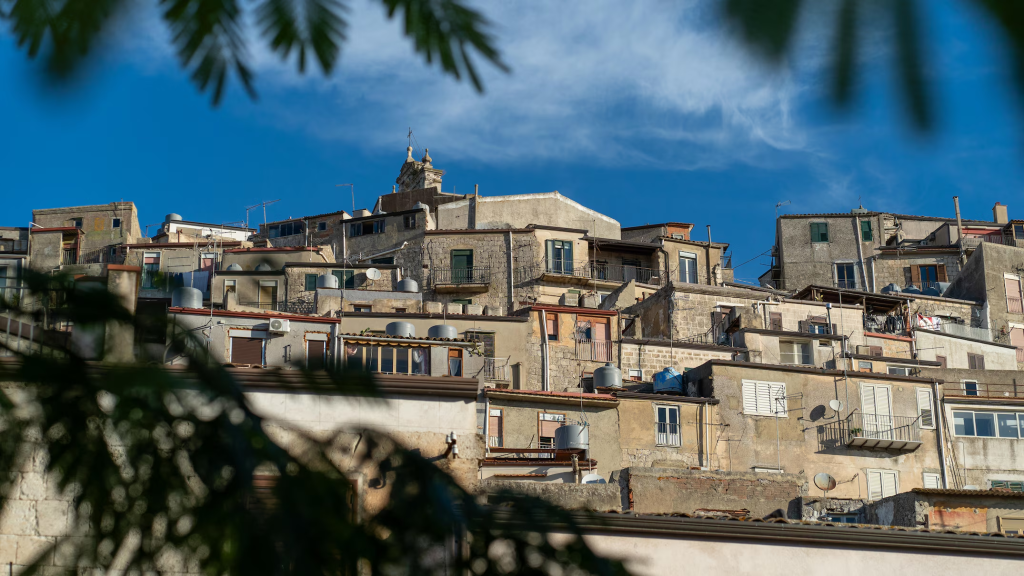
Upstairs, the house offers gorgeous views of the town. A 500-year-old clock tower next door peeks through a dirty and broken window. It has three bedrooms, a bathroom and the remnants of a kitchen. It also has a large hole in the ceiling on the second floor, a pile of rubble on the ground below, extensive water damage, and a stained old couch.
Four hundred houses have been sold under the scheme so far. From the headline-catching 1-euro price tag, the program has expanded to include “premium” properties that require less work and go for around $25,000.
Toti thinks the renovations for this 1-euro place would cost about $50,000. The price varies for each house, he said, ranging from $17,000 to over $300,000, depending on the size and condition of the place. “This one is medium [condition],” he said. “You can find a better house, or worse.”
“This one was fully collapsed,” said Rubia Daniels with a grin, staring up at her 1-euro home in one of Mussomeli’s oldest streets.
The 50-year-old solar consultant from California considers herself a pioneer of Mussomeli’s 1-euro house scheme, and one of its most devoted converts. She first visited the town in 2019 and bought this house. She’s since bought two more – one for each of her children.
She decided to tackle that first big job herself. “I brought five suitcases with tools, I brought a generator, all from California,” said Rubia. “I flew my brother-in-law from Brazil. I hired local people. And I’m like, ‘we’re doing this’.” They removed 50 small truckloads of debris.
Some of the 1-euro house buyers “want the best without spending much,” he said. “Sometimes it’s not possible given how old these houses are. Sometimes we laugh about it.”
Deputy mayor Toti Nigrelli is quick to defend the program and claimed it has already added $20 million to the local economy and created a tenfold increase in tourist visits.
In a shady square outside a café, old men playing cards at green plastic tables were sceptical of the town’s 1-euro house scheme. “It’s a rip-off for me, I wouldn’t buy one,” said one. “There’s no one left, so perhaps you would find yourself with a renovated house without anyone around.”
Cammarata’s local municipality launched its own 1-euro scheme before Mussomeli, but it soon went into meltdown with the sheer volume of enquiries. Martina and Gianluca were working overseas at the time, but they had felt the tug of their hometown. They came back and took over running the program, with a group of like-minded friends.
Gianluca remembers the messy handover from the municipality. “For some reason they decided to print all the emails and give us tons of paper,” he said. “I filled my own car with thousands of emails of people who wanted to buy [a 1-euro house].”
She’s now working with her new friend and architect, Martina, to plan her renovation, and is connecting with other families through Street To. “We’ve been here two months and we have more than 10 new friends,” said Krastina.
Danny moved to Sicily in 2019 after a career working for celebrity chef Jamie Oliver in London, including for some of his community food projects. He had always pictured himself in Italy and decided to take the plunge with a 1-euro house.
His 1-euro dream didn’t quite go to plan. A year after buying his home, while he was renting and plotting a renovation, it was damaged by a deluge of water pouring in from the derelict building next door.
Photographer Frank Amico, who also serves on the board of Danny’s charity, remembers thinking the idea was “crazy” at first, “because I never realised we have people who need this in Mussomeli because people here are more proud, very proud.” Now he proudly boasts that they deliver up to 500 meals a month through a team of volunteers.
“The 1-euro house program has been fantastic for Mussomeli,” said Danny McCubbin. “It’s been a catalyst. It’s almost like a hook that brings people to Mussomeli. I think now though, this town has more to offer than a 1-euro house.”
From her balcony overlooking Mussomeli’s Piazza del Popolo – the people’s square – Erica Moscatello mused that the town’s revival is just beginning. “There are more than 5,000 houses in the historic centre, so real change will begin, I think, with the passage of time,” she said. “But yes, we are seeing progress. It’s really happening.”